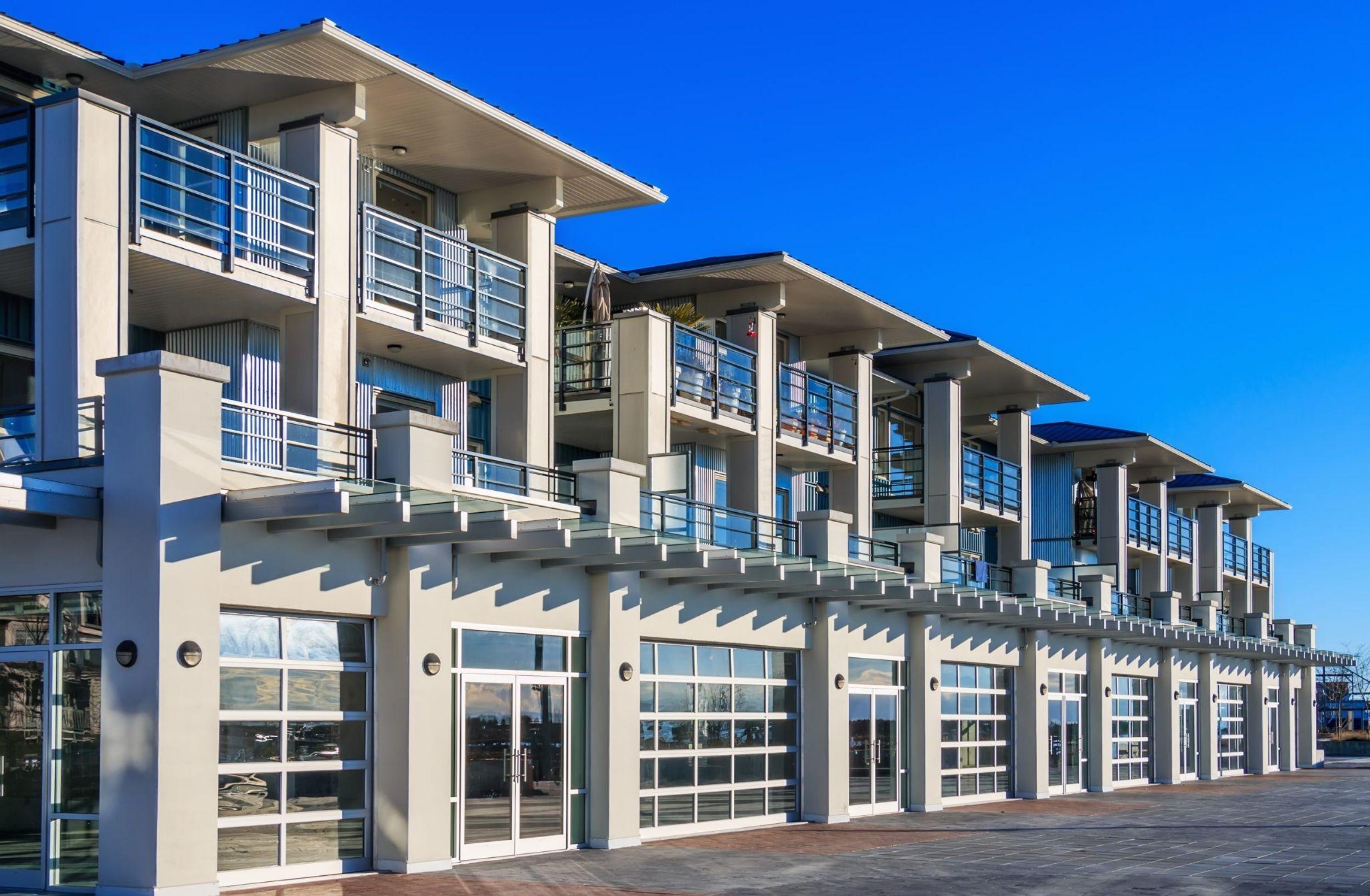
Block Management London: Practical Solutions for Residential Properties
Introduction
London’s residential property market includes a wide variety of buildings, from traditional converted houses to contemporary apartment complexes with shared facilities. Although these properties differ in design and size, they have one important thing in common: they require effective management to remain safe, functional and attractive.
Looking after a residential block involves coordinating maintenance, monitoring expenditure, communicating with leaseholders and ensuring that shared responsibilities receive proper attention. Without an organised approach, everyday issues can become difficult to resolve, potentially affecting residents’ satisfaction and the building’s long-term condition.
Professional Block Management London services help property owners and residents’ management companies handle these responsibilities through structured planning and ongoing support. By selecting a management partner that understands their needs, property stakeholders can make everyday operations more manageable and establish a stronger foundation for future maintenance.
1. Why Residential Buildings Need Professional Management
Managing a multi-unit residential property requires coordination between different people, including leaseholders, freeholders, residents, contractors and property directors. Each party may have different priorities, but the building’s shared areas and facilities still need consistent attention.
Professional management helps bring these responsibilities together within a clear framework.
Keeping Shared Facilities in Good Condition
Communal areas are used by multiple residents throughout the day. Entrances, corridors, staircases, lifts, parking spaces and gardens can experience regular wear and tear, making routine upkeep essential.
A property manager can organise cleaning arrangements, coordinate necessary repairs and monitor the condition of shared facilities. When issues are identified early, appropriate action can often be planned before further deterioration occurs.
This approach supports a cleaner, more functional environment while helping property stakeholders understand their building’s ongoing maintenance requirements.
Making Everyday Responsibilities Easier
Residents’ management company directors may need to oversee budgets, approve expenditure, communicate with contractors and respond to enquiries. Handling these activities without professional assistance can become time-consuming, particularly in larger developments.
A management company can take responsibility for agreed operational tasks and provide administrative support. This creates a more organised system in which requests are recorded, work is coordinated and important decisions are referred to the appropriate people.
Reliable Block Management London services are particularly valuable when a building has several shared facilities or recurring maintenance requirements.
Supporting Consistent Decision-Making
Property decisions often involve balancing immediate repairs against available funds and future requirements. A professional manager can gather information, obtain quotations and explain the available options.
Although the final authority depends on the management agreement and relevant legal arrangements, accurate information helps directors and owners make more informed decisions.
2. The Benefits of Choosing an Experienced Management Partner
Selecting an appropriate property manager can influence how efficiently a building operates. The best results generally come from a provider that understands the property’s needs and maintains clear procedures for handling everyday responsibilities.
Better Control Over Maintenance Activities
One significant benefit is having a coordinated approach to repairs and routine inspections.
Instead of dealing with every problem separately, the management team can maintain records of outstanding work, identify recurring defects and organise suitable contractors.
For example, repeated complaints about poor communal lighting may indicate that a more comprehensive inspection is needed. Investigating the underlying cause can be more effective than arranging individual replacements whenever a light fails.
Greater Financial Transparency
Shared property expenses require careful administration. Depending on the lease and applicable arrangements, these expenses may cover communal cleaning, repairs, maintenance contracts and other building services.
Professional Block Management Companies can assist with preparing budgets, maintaining expenditure records and explaining proposed costs to relevant stakeholders.
Transparent financial reporting helps directors assess spending patterns, understand maintenance priorities and plan for future expenditure. It also makes it easier to identify areas where service delivery or costs may need further review.
Improved Communication and Accountability
Communication problems can create frustration when residents do not know whether their concerns have been received or when repairs are expected to take place.
A reliable management provider should explain how enquiries are submitted, how tasks are assigned and how progress updates are communicated.
Some providers use digital ticketing systems to record conversations and monitor outstanding requests. These systems can help maintain an organised record, although their value ultimately depends on the responsiveness of the people using them.
A More Comfortable Living Environment
Residents benefit when shared spaces remain clean, facilities work properly and maintenance concerns receive appropriate attention.
Good management cannot eliminate every inconvenience, but it can establish practical procedures for resolving problems and communicating decisions.
Over time, consistent service delivery can help build trust between residents, property directors and the management team.
3. Essential Services That Support Effective Block Management
Before appointing a property management company, it is worth reviewing the services it provides and determining whether they match the requirements of your development.
The exact package will vary according to the building, ownership structure and management agreement.
Communal Cleaning and Grounds Maintenance
Clean communal areas contribute to a property’s appearance and everyday usability.
Management responsibilities may include arranging regular cleaning, monitoring service standards and coordinating gardening or landscaping work. Larger estates may also require attention to pathways, parking facilities, external lighting and other shared spaces.
The frequency of these services should reflect the property’s size, usage and budget.
Repairs and Contractor Coordination
Residential buildings often depend on specialists for plumbing, electrical work, roofing, lift maintenance and other technical services.
A management company can help obtain quotations, arrange appointments and monitor whether contractors complete the agreed work. It may also maintain records of recurring faults and follow up on outstanding repairs.
For complex or safety-critical work, appropriately qualified professionals should be engaged.
Budgeting and Service-Charge Administration
Financial administration is another important part of managing a residential development.
Depending on the agreed scope, a property manager may prepare service-charge budgets, maintain records, coordinate payments and provide financial reports. These activities help stakeholders understand the costs associated with maintaining communal facilities.
Clear documentation is especially useful when planning major repairs or reviewing expenditure across several financial periods.
Regulatory and Safety Coordination
Property-related responsibilities can involve fire safety, health and safety, building maintenance and other legal requirements.
A competent manager should understand the obligations relevant to the property and help coordinate inspections, documentation and specialist services where appropriate.
However, legal responsibilities may remain with the relevant freeholder, landlord, management company or other duty holder. The appointment of a managing agent does not automatically transfer every statutory obligation.
4. How to Select the Right Block Management London Company
Not every provider offers the same service quality, expertise or pricing structure. Comparing potential managers carefully can help property stakeholders identify a company capable of meeting their expectations.
Examine Relevant Experience
Start by considering whether the provider has experience managing similar properties.
A small residential block may require a straightforward service, while a large development with lifts, parking facilities and landscaped grounds may need more extensive coordination.
Ask how the company manages emergencies, organises planned maintenance and handles disagreements about shared responsibilities.
It is also useful to establish who will act as your main point of contact and how frequently the company reviews the property’s requirements.
Understand the Management Agreement
A written agreement should explain the services provided, fees charged and responsibilities assigned to the management company.
Before committing, clarify how additional work is priced, which expenses require approval and what procedures apply if the relationship needs to end.
You should also understand how property records, financial documents and outstanding maintenance matters will be handled if the management provider changes.
Compare Value Rather Than Price Alone
The lowest management fee may not deliver the best overall result.
A provider offering clear communication, effective maintenance planning and reliable financial administration may provide better value than a cheaper alternative with limited support.
When reviewing proposals from Block Management Companies, consider the quality and scope of the service alongside the cost.
Evaluate Responsiveness
Ask how the company handles routine enquiries, urgent repairs and complaints. Find out whether it provides regular updates and maintains records of reported problems.
A practical communication system should make it easy for residents to raise concerns and understand what happens next.
These arrangements are particularly important in buildings where several residents depend on the same facilities.
5. Long-Term Maintenance Planning and Property Preservation
A well-managed building requires more than occasional repairs. Long-term planning helps property stakeholders understand the condition of shared facilities, anticipate future work and avoid relying entirely on emergency maintenance.
Identify Problems Before They Escalate
Minor defects can sometimes develop into expensive repairs when left unattended.
A small roof leak, damaged drainage component or malfunctioning communal door may initially appear manageable. However, continued deterioration can increase costs and inconvenience.
Regular inspections and prompt reporting help identify concerns before they become more serious. Inspection schedules should be appropriate for the building’s age, construction, equipment and risk profile.
Prepare for Major Expenditure
Some repairs involve significant costs and require advance planning. Examples include external decoration, roof replacement and the renewal of ageing communal equipment.
A long-term maintenance plan can help estimate when these projects may be necessary and support discussions about funding.
Property managers can assist by coordinating condition assessments, obtaining quotations and presenting information to the relevant decision-makers.
Maintain the Building’s Appearance
A property’s shared spaces contribute to its overall presentation. Neglected entrances, untidy outdoor areas and poorly maintained corridors can reduce residents’ satisfaction.
Consistent cleaning, appropriate repairs and sensible landscaping help preserve a welcoming environment.
Effective Block Management London arrangements should therefore consider appearance and usability alongside financial administration and essential maintenance.
6. Exploring Uniq Block Management for Residential Property Support
Property owners seeking management services in London, Essex and Hertfordshire may wish to consider Uniq Block Management when comparing potential providers.
According to the supplied website information, the company offers tailored property management services for developments of different sizes. Its stated areas of service include residential block management, estate management, freehold landlord services and support for Right to Manage companies.
The company also identifies communication as an important part of its approach. Its website describes a ticketing system designed to facilitate contact between residents and property managers, allowing discussions about reported issues and helping enquiries receive attention.
This type of arrangement can be useful for buildings where residents want a clearer way to communicate maintenance concerns and follow their progress.
Uniq also highlights professional service and cost-conscious management. Property directors considering the company should request a detailed proposal covering fees, service responsibilities, financial reporting, maintenance coordination and communication procedures.
Comparing these details with other suitable providers will help establish whether the proposed service meets the development’s particular requirements.
Conclusion
Effective residential property management depends on consistent maintenance, responsible financial administration, clear communication and careful planning. When these elements are handled properly, property directors can oversee shared responsibilities more efficiently while residents benefit from a better-maintained living environment.
Choosing the right Block Management London provider requires careful consideration of experience, service quality, pricing and responsiveness. A management company should understand the property’s specific requirements and provide a clear explanation of how its services will address them.
Professional Block Management Companies can help coordinate contractors, organise repairs, administer budgets and support long-term maintenance planning. Their contribution is most valuable when responsibilities are clearly defined and communication remains consistent.
Also read: Pest Control Colchester: How to Identify Pest and Keep Your Home Protected
By taking a proactive approach to property management, freeholders, leaseholders and residents’ management companies can make better-informed decisions, maintain shared facilities and support the long-term condition of their buildings.