Protective Packaging UK: Ways to Keep Products Safe from Packing to Delivery
Introduction
When a product leaves a warehouse, its journey is far from over. It may be handled several times, placed inside a vehicle, moved between distribution centres and eventually delivered to a customer. During this process, even a small amount of movement or impact can cause scratches, dents, cracks or other damage.
This is why protective packaging UK solutions are an important part of modern packing and distribution. Good packaging does more than simply surround an item. It creates a barrier against impact, movement, friction and other common risks while helping businesses prepare products for safe transportation.
From foam sheets and padded bags to corrugated boxes and protective packing cubes, different materials can be selected according to the product being shipped. The right approach can reduce unnecessary damage while making packing more organised and efficient.
1. Why Protective Packaging Matters During Transportation
Products can experience considerably more movement during delivery than they do while sitting on a warehouse shelf. Boxes may be stacked, turned, moved or placed alongside other packages. Fragile products are particularly vulnerable if there is insufficient cushioning inside the outer container.
Protective packaging helps create a layer between the product and these external forces. Instead of allowing an item to move freely inside a box, suitable materials can fill empty areas, absorb some impact and reduce direct contact with the outer packaging.
This is particularly useful for businesses shipping:
- Fragile equipment
- Electronics and components
- Metal and manufactured parts
- Glass or delicate items
- Retail products
- Machinery components
- Documents and smaller products
The objective is not necessarily to use the largest amount of packaging possible. Effective packing means choosing materials that provide an appropriate level of protection without creating unnecessary bulk.
2. Choosing Packaging According to the Product
There is no single protective material that works equally well for every product. A lightweight item may need only a padded envelope, while a heavier or more fragile product may require cushioning inside a strong corrugated box.
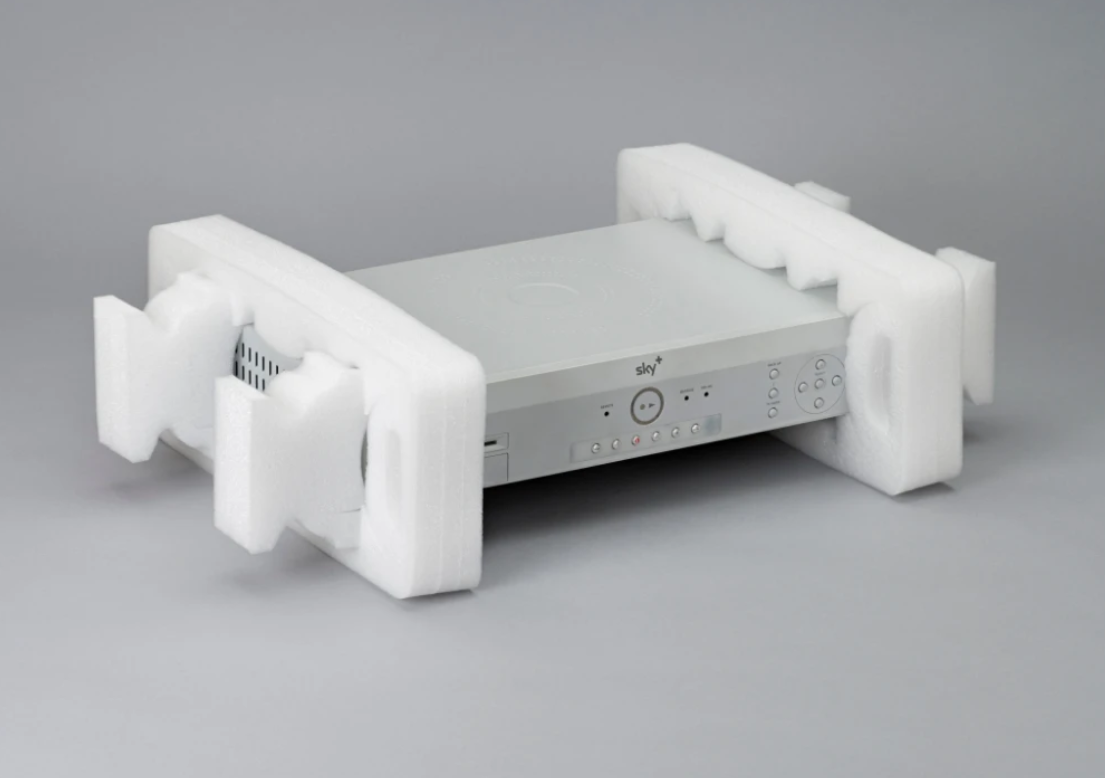
For example, packaging foam sheets can be useful when a product needs a soft layer against scratches, surface damage or minor impacts. Foam can also be placed around individual components when several parts are packed together.
Padded bags offer another practical option for smaller goods. Their protective lining provides additional cushioning while keeping the overall package relatively compact.
For products requiring a stronger outer structure, corrugated packing boxes can provide a useful combination of rigidity and practicality. Internal protective materials can then be added to prevent the contents from moving excessively.
This product-based approach makes protective packaging UK more effective because the packaging is selected around the actual risks involved in transportation.
3. Reducing Movement Inside the Box
One of the simplest causes of shipping damage is excessive movement inside a package.
Imagine placing a small product inside a large box without any internal protection. Every time the box is lifted, dropped or moved, the item can shift from one side to another. Repeated movement can result in scratches, dents or broken components.
Internal cushioning helps minimise this problem.
Expanded polystyrene packing cubes, for instance, can be used to fill spaces around suitable products and provide additional cushioning. Foam sheets can also help separate products from one another or create a protective layer around individual items.
The goal is to create a package in which the product remains appropriately positioned throughout its journey.
4. Padded Bags and Envelopes for Smaller Items
Not every shipment requires a traditional cardboard box.
For smaller and relatively lightweight products, padded bags and bubble-lined envelopes can offer a convenient alternative. They combine an external mailing layer with internal cushioning, making them useful where space and weight need to be kept under control.
Bubble-lined envelopes are particularly practical for documents, smaller products and items that require some additional protection from knocks and surface contact.
Padded mailing bags can also make packing faster because they do not always require the additional preparation associated with assembling a rigid box.
For businesses sending a large number of smaller orders, this can make the packing process simpler and more consistent.
5. Strong Outer Packaging Still Has an Important Role
Cushioning alone cannot solve every packaging problem. The external container also needs to provide suitable structural protection.
Corrugated cardboard boxes remain a widely used option because they are practical for storage, handling and transportation. They can accommodate different product sizes and can be combined with internal cushioning materials.
A well-designed package therefore often has several layers of protection:
- The product itself
- A protective material around the product
- Internal cushioning or void filling
- A suitable outer box or mailer
- Secure sealing to keep the package closed
Each layer serves a different purpose. Together, they can provide a more reliable packing system than depending on a single material.
6. Securing the Finished Package
Even a well-cushioned product can become vulnerable if the package is not securely closed.
Packing tape is commonly used to seal cardboard boxes and keep the flaps firmly together during handling. For businesses handling frequent shipments, a standard tape gun dispenser can make the process quicker and more consistent.
Consistent sealing also helps create a repeatable packing procedure. Instead of employees using different methods for every shipment, a business can establish straightforward packing standards based on product type, box size and transportation requirements.
This can be particularly valuable in busy warehouses where hundreds of parcels may need to be prepared in a single day.
7. Benefits of Using Protective Packaging
A well-planned packaging system can provide several practical advantages for businesses.
Reduced Risk of Product Damage
The primary purpose is to protect goods from common transportation hazards. Cushioning and suitable outer packaging can reduce the likelihood of damage caused by impacts and movement.
Better Customer Experience
Customers expect products to arrive in the condition in which they were purchased. Damaged packaging or damaged contents can create unnecessary dissatisfaction. Appropriate protection helps businesses present a more reliable delivery experience.
More Efficient Packing
Using packaging materials designed for particular products can make the packing process more straightforward. Padded envelopes may be faster for small items, while boxes with internal cushioning may be more appropriate for larger products.
Protection Against Surface Damage
Materials such as foam can provide a useful barrier between products and harder surfaces, helping reduce scratching, rubbing and other forms of contact damage.
Greater Packaging Consistency
Businesses can develop standard packaging methods for different product categories. This can help warehouse teams follow a consistent process instead of deciding how to pack every order from scratch.
8. Packaging Can Also Support More Responsible Shipping
Businesses are increasingly considering how packaging affects the wider shipping process. Excessive packaging can take up additional storage and transportation space, while inappropriate materials can create unnecessary waste.
The practical solution is not simply to use less packaging. Instead, businesses can focus on using the right amount of material for the product and transportation conditions.
Selecting appropriately sized boxes, avoiding unnecessary empty space and using protective materials where they are actually needed can create a more balanced packing system.
A thoughtful protective packaging UK strategy can therefore consider both product safety and packaging efficiency.
9. Build a Packaging System Around Your Products
The most effective approach is usually to treat packaging as part of the overall fulfilment process rather than as an afterthought.
Start by identifying which products are most likely to experience damage. Consider their size, weight, shape, fragility and the amount of empty space likely to remain inside the package.
Then match each product category with appropriate materials. Small products might work well with padded envelopes, while fragile or valuable goods may require foam cushioning inside a corrugated box.
It is also worth reviewing packaging performance over time. If a particular product regularly arrives damaged, changing the internal protection or outer container may solve the problem more effectively than simply adding more tape or additional layers.
Conclusion
Effective packaging is about more than putting an item inside a box. It involves understanding how products behave during storage, handling and transportation and then selecting materials that address those risks.
From foam sheets and padded envelopes to corrugated boxes, packing cubes and reliable sealing equipment, modern protective packaging provides businesses with a range of ways to safeguard their products.
For companies looking for protective packaging UK solutions, the most practical starting point is to match the packaging method with the product rather than adopting a one-size-fits-all approach. When cushioning, structural protection and secure sealing work together, businesses can create a packing process that is safer, more consistent and better suited to the realities of delivery.