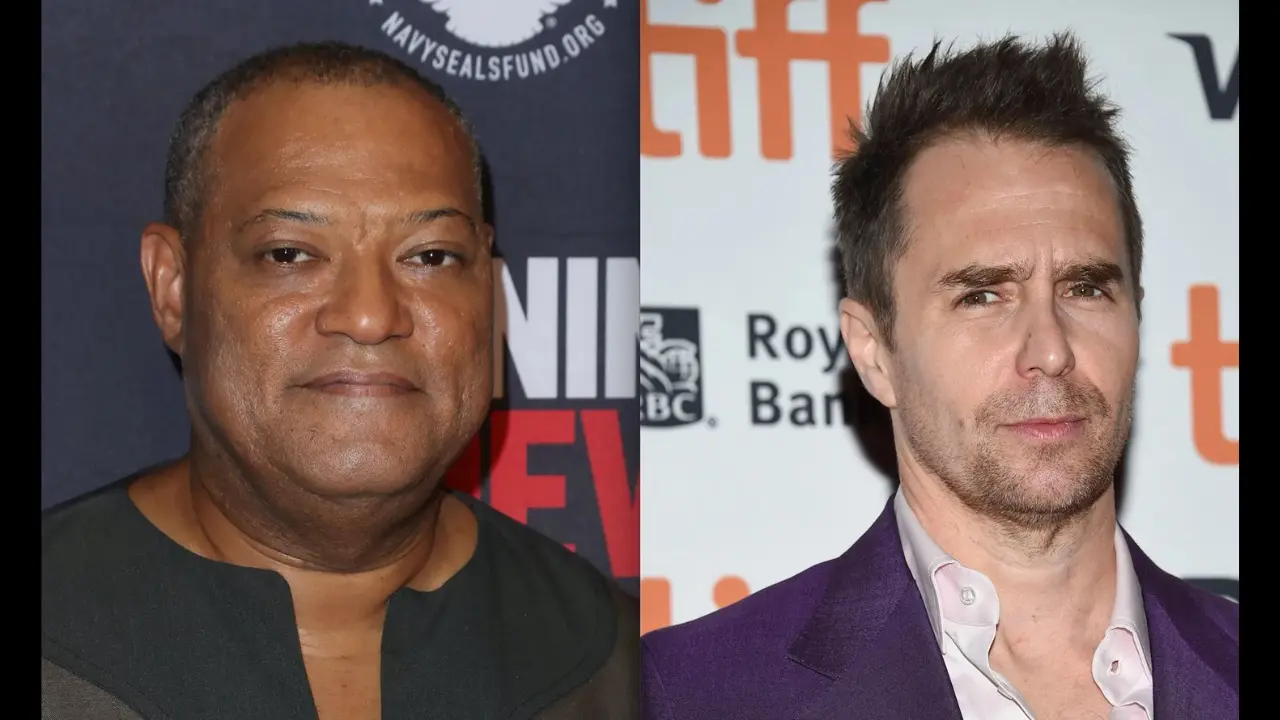
Laurence Fishburne and Dwayne Johnson Life, Movies, and Success
Laurence Fishburne and Dwayne Johnson are major figures in American entertainment, but they reached fame through very different routes. Fishburne built his name through serious acting, theatre, television, and dramatic films. Johnson first became a global wrestling star before moving into action movies, family entertainment, television, and production.
Their careers show that Hollywood success does not follow one fixed path. Fishburne developed his craft from childhood and became known for authority and emotional control. Johnson used athletic skill, humour, public speaking, and business sense to build a broad entertainment brand.
Who Are Laurence Fishburne and Dwayne Johnson?
Fishburne is an American actor and producer who began performing as a child. He later became widely known as Morpheus in The Matrix films. His career also includes Apocalypse Now, Boyz n the Hood, What’s Love Got to Do with It, and the John Wick series.
Johnson, also known as “The Rock,” is an American actor, producer, and professional wrestler. He became one of WWE’s most famous performers during the late 1990s and then moved into movies. His screen work covers action, comedy, adventure, animation, and family stories.
| Feature | Laurence Fishburne | Dwayne Johnson |
|---|---|---|
| Born | July 30, 1961 | May 2, 1972 |
| Birthplace | Augusta, Georgia | Hayward, California |
| Main fields | Acting, producing, theatre | Acting, wrestling, producing |
| Early path | Child actor and stage performer | College football and wrestling |
| Performance style | Serious and controlled | Energetic and humorous |
The basic biographical information in this table comes from established performer profiles and career records.
This comparison makes Laurence Fishburne and Dwayne Johnson interesting to study together. Both command attention, yet each uses a different type of presence. Fishburne often creates power through stillness and careful speech, while Johnson relies more on movement, confidence, humour, and physical strength.
Clix Net Worth, Age, Career, Girlfriend & Bio
Laurence Fishburne’s Early Life and Acting Foundation
Fishburne was born in Augusta, Georgia, and grew up mainly in Brooklyn, New York. He started acting at a young age and gained professional experience before adulthood. This early work helped him learn timing, discipline, and emotional control across theatre, television, and film.
One of his important early film appearances came in Apocalypse Now. He later gained wider praise through Boyz n the Hood and Deep Cover. These projects showed his skill at playing complex men who carry authority, pressure, and personal conflict.
Fishburne also built a respected stage career. He won a Tony Award for August Wilson’s Two Trains Running in 1992. His theatre background helped shape the clear voice and focused delivery that became key parts of his screen image.
Laurence Fishburne’s Most Important Roles
The role of Morpheus in The Matrix turned Fishburne into a global pop-culture figure. Morpheus guides Neo and explains the hidden truth behind the story’s digital world. Fishburne gave the character a calm but powerful tone that made the role memorable.
His performance as Ike Turner in What’s Love Got to Do with It showed a darker side of his talent. The Academy nominated him for Best Actor for that role at the 1994 Academy Awards.
He later joined large franchises such as John Wick and the DC film universe. These roles proved that he could move between serious drama, science fiction, crime stories, and commercial cinema.
His career stands out because he does not depend on one genre. He has played fathers, leaders, villains, teachers, investigators, soldiers, and mentors. His television, stage, and voice performances further show his wide range.
Meekah Net Worth, Age, Income, Wife, Lifestyle (Kaitlin Becker)
Dwayne Johnson’s Journey from Football to Wrestling
Johnson played college football at the University of Miami. The university’s official records list him among its football letterwinners for the 1992, 1993, and 1994 seasons. He hoped to continue in professional football, but that plan did not become a lasting career.
He then entered professional wrestling and made his WWE debut in 1996. His first character did not fully connect with fans, so he changed his personality and presentation. As “The Rock,” he used sharp speeches, humour, confidence, and strong crowd control.
He became one of the leading personalities of WWE’s Attitude Era. His catchphrases, rivalries, interviews, and championship matches helped turn him into a recognised entertainment figure outside wrestling.
Wrestling also gave Johnson skills that later supported his acting career. He learned how to perform live, react to an audience, deliver memorable lines, and create a clear public identity. Those abilities helped him move into mainstream movies.
Dwayne Johnson’s Rise as a Hollywood Star
Johnson appeared in The Mummy Returns before taking a leading role in The Scorpion King. Over time, he became a dependable action and adventure star. He appeared in major projects connected to franchises such as Fast & Furious, Jumanji, and Moana. His other well-known films include San Andreas and Jungle Cruise.
His screen appeal comes from a mix of physical power and friendliness. He can play a dangerous fighter, but he can also use warmth and humour in family films. This balance helps him reach children, action fans, wrestling viewers, and general movie audiences.
Johnson also works behind the camera as a producer. He co-founded Seven Bucks Productions with Dany Garcia. The company develops content for film, television, digital networks, and other entertainment platforms.
Producing gives Johnson more influence over the business and creative choices connected to his projects. It also helps him build a career that does not depend only on accepting acting roles from other studios.
Career Paths of Laurence Fishburne and Dwayne Johnson
The biggest difference between the two stars comes from their training. Fishburne developed through acting from childhood, with stage work playing a major role. Johnson developed through sports entertainment, where personality, movement, timing, and direct audience contact mattered every night.
Fishburne often chooses roles built around dialogue, inner conflict, intelligence, or moral weight. Johnson often leads projects built around action, adventure, comedy, teamwork, and large-scale entertainment.
However, both performers understand how to control a scene and make viewers believe in their authority. Fishburne often achieves this through his voice and measured movements. Johnson usually achieves it through energy, size, confidence, and direct humour.
They also share a strong work ethic. Both moved across film and television while taking production roles. Their careers show how performers can protect their long-term value by learning more than acting alone.
Acting Styles of Laurence Fishburne and Dwayne Johnson
Fishburne’s acting style often feels quiet, exact, and controlled. He can create tension with a pause, a look, or a small change in his voice. Filmmakers often cast him as a mentor, leader, official, or powerful opponent because he brings natural seriousness.
Johnson uses a more open and physical style. His expressions, movement, comic timing, and confident delivery make his characters easy to understand. Even when he plays a very strong hero, he often adds kindness, embarrassment, or self-aware humour.
Fishburne usually encourages the audience to study a character closely. Johnson often aims to create an immediate emotional response through excitement, laughter, or heroic action.
Neither approach fits every story. Fishburne suits films that need depth and emotional pressure, while Johnson suits projects that need energy and broad audience appeal. A carefully written movie could use both styles in exciting ways.
Have Laurence Fishburne and Dwayne Johnson Worked Together?
A review of their standard filmography listings does not show a widely recognised released feature film in which the two performers share major roles. Their names may appear near each other in entertainment reports, casting discussions, or franchise conversations, but they remain known for separate bodies of work.
A future project could create an interesting contrast. Fishburne could play a wise leader, strategist, government official, or dangerous rival. Johnson could play a field agent, warrior, protector, or public hero.
Their different acting rhythms could suit a science-fiction movie, crime drama, political thriller, or action adventure. Fishburne’s controlled intensity could balance Johnson’s physical and energetic style.
Readers should treat fan posters and unconfirmed social posts with care. A studio announcement, verified entertainment report, or statement from the actors would offer stronger proof of a real collaboration.
Cultural Impact and Lasting Influence
Both performers expanded ideas about what a major Black Hollywood star could achieve. Fishburne built a career around dramatic respect, theatre training, intelligent characters, and artistic range. Johnson created a global brand that connects wrestling, cinema, television, production, fitness, and business.
Their influence reaches younger performers. Fishburne shows the value of craft, patience, voice control, and strong character choices. Johnson shows the value of reinvention, audience connection, discipline, and ownership of creative work.
Fishburne’s long career also proves that actors can remain valuable by accepting varied roles instead of repeating one successful character. Johnson’s journey shows that a performer can transfer skills from one industry into another.
Final Thoughts
Laurence Fishburne and Dwayne Johnson represent two successful but very different models of entertainment leadership. Fishburne brings decades of acting skill, theatrical discipline, and emotional weight. Johnson brings athletic power, humour, marketing strength, and a rare ability to connect with a wide audience.
They have not formed a famous screen partnership, yet comparing them reveals useful lessons about talent and career growth. Their journeys prove that lasting success can come from deep artistic training, bold reinvention, strong discipline, or a smart mix of all three.