Signs Your Septic System Needs Attention: What Every Homeowner Should Know
Key Takeaways
- Recognizing early warning signs can prevent costly septic system failures.
- Proper maintenance and responsible usage extend the lifespan of septic systems.
- Modern technologies and expert recommendations help protect your property and local environment.
- Routine checks and professional inspections are critical to avoid environmental and health risks.
Why Septic System Awareness Matters
Homeowners across the country rely on septic systems to safely manage household wastewater, often without realizing the system’s important role in protecting their property and the surrounding environment. When a septic system works as intended, it efficiently treats and returns water to the ground, safeguarding drinking water sources and community health. However, neglecting septic care can damage your property, result in costly repair bills, and pose health hazards for your household and neighbors.
In addition to septic system issues, homeowners should be aware of potential water damage that can arise from various sources, such as leaks or flooding. Water damage can lead to structural problems and health hazards if not addressed promptly. It’s crucial to recognize the signs early, such as discoloration on walls or ceilings, a musty odor, or an increase in your water bill. For those experiencing such issues, seeking professional restoration services is essential to prevent further damage. You can find full details here on how to effectively manage and restore your home after water damage, ensuring a safe and healthy living environment.
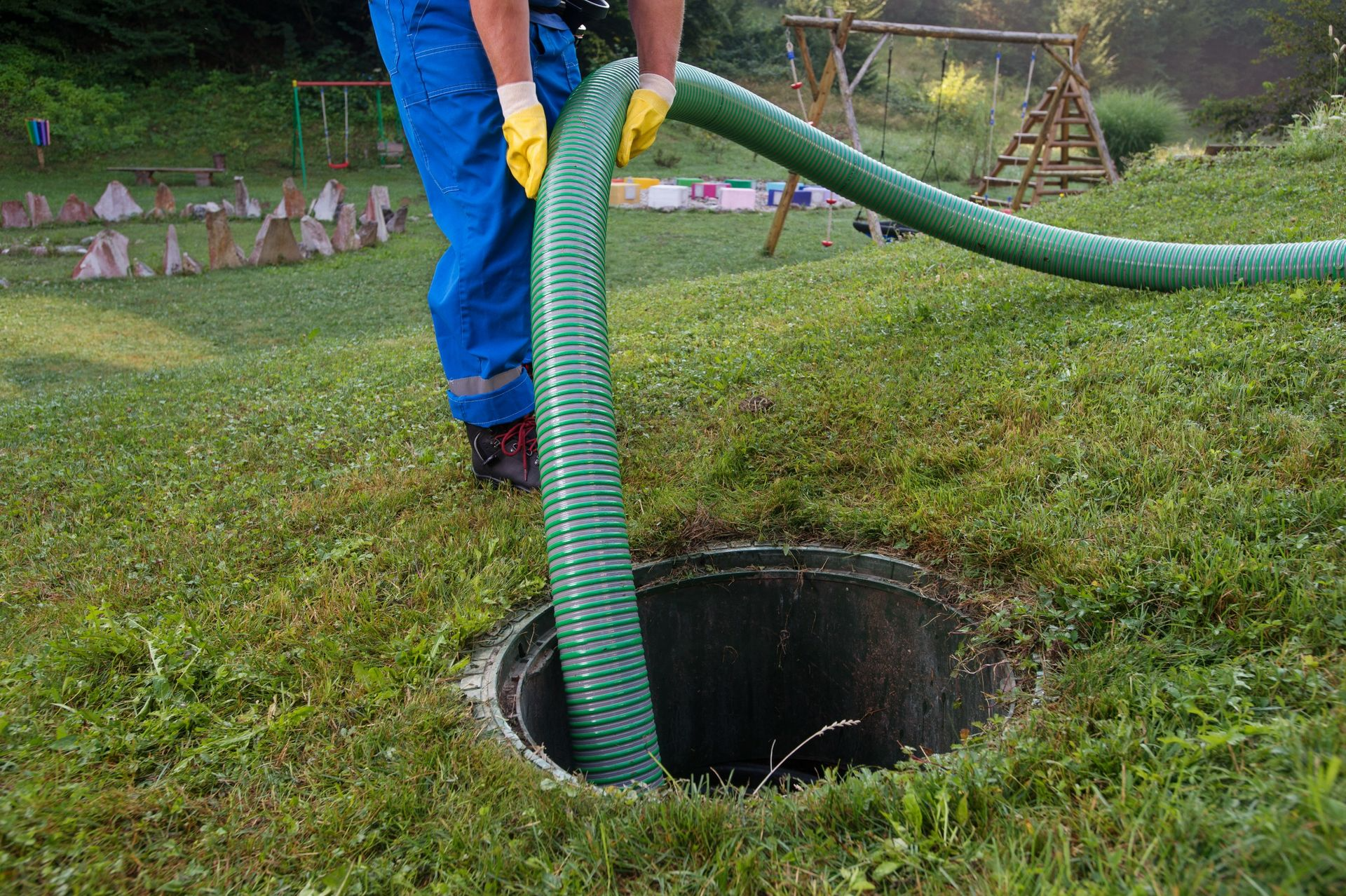
Acting early when issues appear is vital. For those in the Midwest, for example, regular Dayton septic tank pumping & cleaningsessions are a cornerstone of responsible septic management. Staying aware protects your investment and upholds local sanitation standards and environmental health.
Common Warning Signs Your Septic System Needs Attention
Several red flags indicate your septic system needs professional help. Slow drains, gurgling pipes, and sewage odors near the drainfield or inside suggest issues. Green or soggy grass above the drainfield can signal leaks or overflows. Quick action can prevent costly repairs. Visible backups in toilets, showers, or sinks show system overload or failure. Take these signs seriously to avoid raw sewage runoff.
What Causes Septic System Problems?
Septic system failures are often the result of everyday habits and gradual deterioration. Overuse—such as running multiple water-using appliances simultaneously—can overwhelm the system. Introducing harsh cleaning chemicals or non-biodegradable items like wipes, feminine hygiene products, and dental floss leads to clogs and disrupts the natural breakdown of waste. As a septic system ages, natural wear and tear on pipes, tanks, and drainfields can reduce efficiency and lead to persistent issues.
The Real Cost of Ignoring Septic Problems
Postponing necessary repairs or maintenance can quickly multiply your costs. Untreated septic failures may result in extensive property damage, water contamination, and significant health risks. The cost of neglect can surpass that of regular maintenance by thousands of dollars—and may include restoration of landscaping, replacement of major system components, and municipal fines for environmental violations.
Steps to Take When You Notice Warning Signs
If you notice signs of septic trouble, immediately reduce household water use. Avoid chemical drain cleaners, as they can harm bacteria that break down waste. Schedule a professional inspection quickly before the problem worsens. Note symptoms like odors or patchy grass to assist evaluation. Also, teach family members what not to flush or drain to prevent further issues while waiting for expert help.

Routine Maintenance Tips for Homeowners
Consistent, preventative care helps you get the most from your septic system. Schedule your tank to be professionally pumped every three to five years, or as recommended for your household’s size and usage patterns. Be diligent about conserving water—spread out laundry loads, fix leaky faucets, and consider installing low-flow fixtures. Keep an up-to-date record of system maintenance and repairs for future reference.
How Modern Tools and Technology Help
Recent advances in septic care make system monitoring more accessible and precise than ever. Inspection cameras now allow professionals to spot blockages and leaks without invasive digging. Digital monitoring systems can track tank levels and usage patterns, providing timely alerts for maintenance needs. Eco-friendly biological additives and advanced treatment components can enhance system efficiency, minimizing environmental impact and prolonging operational life.
When to Call a Professional
Some signs, like slow drains, may be caused by minor clogs, persistent issues, problems involving wastewater backups, foul odors, or unexplained soggy areas outside, and need expert attention. A qualified septic technician can inspect, clean, and repair as required. Choose providers who offer transparent assessments and follow local sanitation best practices. Prompt intervention prevents minor problems from becoming failures, protecting your property and community water resources.
Conclusion: Proactive Care Protects Your Home and Community
Staying attentive to your septic system’s condition pays dividends—reducing repair bills, protecting home value, and reducing the risk of environmental harm. By learning the warning signs, adopting regular maintenance routines, leveraging new technologies, and calling in professionals, every homeowner can ensure their septic system remains an asset, not a liability. Responsible septic care is more than just a personal investment; it is a service to your entire community.
read more : Bryan Olesen Net Worth