Electrical Problems in Telford: Warning Signs and How to Deal With Them
Introduction
Electrical problems rarely appear at the most convenient time. A circuit may suddenly trip during working hours, lights may start flickering, a socket may become unusually warm, or an electrical system may struggle when several appliances are running together. While some issues seem minor, they can sometimes indicate a deeper problem with the property’s electrical installation.
Knowing what these warning signs mean can help homeowners and businesses respond before a small fault develops into a costly disruption. For properties in the area, experienced Electricians Telford can investigate faults, identify the underlying cause and recommend an appropriate solution rather than simply treating the visible symptom.
1. Why Does the Same Circuit Keep Tripping?
A circuit breaker that trips occasionally is not necessarily something to ignore. The protective device is designed to interrupt the electrical supply when it detects a condition that could damage the circuit or create a safety risk.
Repeated tripping may be connected to several different issues, including an overloaded circuit, faulty equipment, damaged wiring or an electrical component developing a fault.
Simply resetting the breaker every time it trips does not solve the underlying problem. If the circuit continues to disconnect, the cause should be investigated.
A professional electrician can check the circuit, identify which equipment is contributing to the problem and determine whether a repair, replacement or electrical upgrade is required.
For businesses, this becomes even more important because a repeatedly failing circuit could affect computers, lighting, machinery or other essential equipment.
2. What Does Flickering Lighting Tell You?
Flickering lights can be irritating, but they should not automatically be dismissed as a faulty bulb.
If replacing the bulb does not resolve the issue, the problem could involve the fitting, connection, circuit or wider electrical installation. In a commercial environment, noticeable flickering across several lights may also deserve closer investigation.
The first step is to determine whether the problem affects:
- One light fitting
- Several lights in the same area
- Multiple circuits
- The entire property
This information can help an electrician narrow down the possible cause.
Instead of repeatedly replacing bulbs, a professional inspection can determine whether there is an electrical fault that needs attention.
3. Why Are Some Sockets Getting Hot?
Electrical sockets should not normally become noticeably hot during ordinary use.
Heat around a socket can potentially indicate excessive electrical load, a poor connection, damaged wiring or a problem with the connected equipment. Burning smells, discolouration, buzzing or visible damage make the situation even more important to investigate.
A damaged socket should not simply be covered up or continued in use.
An electrician can inspect the socket and associated wiring to establish whether the problem is limited to the outlet or whether the circuit itself requires attention.
This is particularly relevant in older properties where electrical installations may have been modified several times over the years.
4. Is Your Electrical System Struggling With Modern Equipment?
Older electrical installations were not necessarily designed around today’s level of electrical demand.
Homes now commonly contain computers, multiple televisions, kitchen appliances, heating equipment, EV chargers and numerous other electrical devices. Commercial properties may have an even greater demand because of machinery, servers, lighting, refrigeration or specialist equipment.
If a property frequently experiences overloaded circuits or requires multiple extension leads to operate everyday equipment, it may be time to assess the electrical installation.
Rather than adding more sockets without considering the circuit capacity, Electricians Shropshire can assess the existing system and determine whether additional circuits or other upgrades are appropriate.
This approach solves the underlying capacity issue instead of creating another temporary workaround.
5. When Does a Business Need Electrical Testing?
Businesses cannot afford to treat electrical maintenance as something that only happens after a breakdown.
Electrical systems can deteriorate through age, regular use, accidental damage or modifications carried out over time. Testing and inspection can help identify defects that may not be obvious during normal operation.
For a commercial property, an electrical assessment can be useful when:
- The building is old
- Electrical equipment has recently been added
- The property has changed its use
- Circuits frequently trip
- There has been previous electrical damage
- A business is moving into a new premises
- Regular maintenance is required
Testing provides an opportunity to identify potential issues before they become unexpected interruptions.
For businesses, planned inspections can also make it easier to schedule remedial work around normal operating hours rather than waiting for an emergency.
6. What Happens When Electrical Problems Affect Business Operations?
A residential electrical fault may be inconvenient, but an electrical problem in a business can quickly become an operational issue.
Imagine a workshop losing power to machinery, an office experiencing repeated computer interruptions, or a retail property losing lighting during opening hours. The electrical fault may only take a short time to develop, but the resulting disruption can affect employees, customers and daily operations.
This is why commercial electrical maintenance should focus on prevention as well as repairs.
A suitable maintenance plan can identify vulnerable areas of an installation and address them before they cause unexpected downtime.
Professional Electricians Telford can also help businesses assess electrical requirements when equipment is upgraded or new systems are introduced.
7. Adding an EV Charger? Check the Electrical Supply First
Installing an electric vehicle charger is becoming increasingly relevant for both residential and commercial properties.
However, installing a charger should not be approached as simply fitting another electrical appliance. The existing electrical supply needs to be considered because charging can create a significant additional demand on the property’s electrical system.
Before installation, an electrician can assess factors such as the available electrical capacity, charger location, cable routing and the suitability of the existing installation.
For businesses considering multiple charging points, the electrical demand can be considerably greater. Planning the infrastructure properly from the beginning can help avoid expensive changes later.
This is one area where professional assessment can prevent a new installation from creating problems elsewhere in the electrical system.
8. Security Systems Also Depend on Reliable Electrical Infrastructure
Modern commercial properties increasingly use electrically powered security and access systems.
Door-entry systems, access controls and other security infrastructure all depend on reliable electrical connections. If the supporting electrical installation is poorly maintained, security equipment may become unreliable at exactly the wrong time.
When installing or upgrading security equipment, the electrical side should therefore be considered as part of the overall project.
An experienced electrical contractor can help ensure that power requirements and connections are properly addressed alongside the installation of the equipment itself.
9. When Should You Stop Troubleshooting It Yourself?
Some basic checks are reasonable, such as checking whether a plug has been accidentally disconnected or whether a light bulb needs replacement.
However, electrical systems are not an area where repeated trial-and-error repairs are appropriate.
Professional assistance is particularly important when you notice:
- Repeated circuit breaker trips
- Burning or unusual electrical smells
- Sparks or buzzing sounds
- Hot or damaged sockets
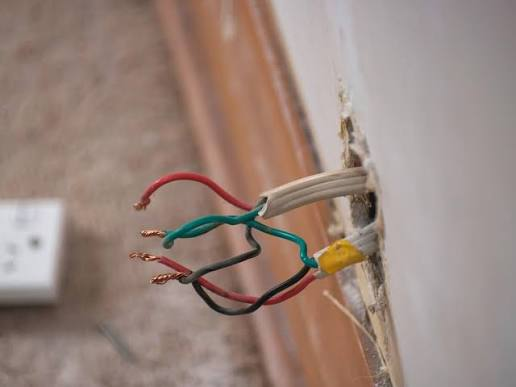
- Exposed wiring
- Persistent flickering
- Water coming into contact with electrical equipment
- Unexpected power loss affecting part of a building
In these circumstances, continuing to use the affected equipment or repeatedly resetting protective devices may allow the underlying fault to remain unresolved.
10. How Professional Electrical Problem-Solving Works
A good electrical repair is not simply about replacing whatever component appears faulty.
The electrician should first understand what is happening, investigate the relevant circuit and determine the underlying cause. Once the fault has been identified, the appropriate repair or improvement can be carried out.
This approach matters because symptoms and causes are not always the same.
For example, a repeatedly tripping circuit could be caused by one faulty appliance, several devices drawing too much power, damaged wiring or another issue within the installation. Replacing the breaker without finding the cause would not address the real problem.
A systematic inspection therefore provides a more reliable route to a lasting solution.
Benefits of Addressing Electrical Problems Early
Prevents Small Faults From Becoming Larger Issues
Early investigation can identify electrical defects before they result in more extensive damage or disruption.
Reduces Unexpected Downtime
For businesses, planned repairs are generally easier to manage than sudden electrical failures during operating hours.
Improves Electrical Reliability
Resolving the underlying cause of recurring faults can make the electrical installation more dependable.
Supports Future Upgrades
An electrical assessment can reveal whether the existing system is suitable for additional equipment such as EV chargers, machinery or upgraded lighting.
Provides Better Long-Term Planning
Instead of repeatedly paying for temporary fixes, property owners can understand which parts of an electrical system actually require attention.
Conclusion
Electrical problems are often easier to solve when they are investigated at the first warning sign. A tripping circuit, flickering light or warm socket may appear to be a minor inconvenience, but recurring symptoms can point towards problems that should not be ignored.
The solution is not always a complete rewiring project or an expensive upgrade. In many cases, identifying the actual cause allows a targeted repair to resolve the problem. In other situations, particularly in older commercial properties or buildings with increasing electrical demand, an upgrade may be more appropriate.
For property owners and businesses looking for Electricians Shropshire, the most useful approach is to focus on diagnosis rather than simply treating symptoms. Professional inspection, testing, maintenance and carefully planned installations can help keep electrical systems reliable while preparing them for changing requirements such as EV charging, modern equipment and security technology.