The Role of Windshields in UTV Riding: Protection, Comfort, and Everyday Practicality
Driving a UTV across rugged terrain can be both exciting and demanding. Whether it’s used for outdoor work, trail riding, or exploring remote areas, the experience often involves exposure to wind, dust, debris, and changing weather. While many riders focus on performance upgrades, one component that significantly shapes the overall experience is the windshield. People researching options like a Kemimoto UTV windshield often begin to understand how something as simple as a protective barrier can improve both safety and comfort in meaningful ways.
Why Wind Protection Matters More Than You Think
At first glance, riding without a windshield might seem more immersive. You feel the breeze, stay connected to the environment, and enjoy an open-air experience. However, this exposure comes with its downsides.
Wind pressure increases as speed rises, which can make driving uncomfortable over time. Constant airflow hitting the face and body can lead to fatigue, especially during long rides. It can also affect visibility by drying out eyes or carrying dust and debris directly toward the driver.
A windshield helps manage this airflow. Instead of taking the full impact, the wind is redirected, creating a calmer space inside the cabin. This simple change makes a noticeable difference, especially when covering longer distances.
Protection from Dust, Debris, and Unexpected Hazards
Off-road environments are unpredictable. Loose gravel, dirt, insects, and small branches can all become airborne as the vehicle moves. Without protection, these elements can hit the driver or passengers directly.
A properly installed windshield acts as a barrier, preventing most of this debris from entering the cabin area. This not only improves comfort but also reduces the risk of injury. Even small particles can cause irritation or distraction, which is the last thing a driver needs when navigating uneven terrain.
For those who use their vehicles in dusty conditions, the difference is immediate. A Kemimoto UTV windshield, for example, represents the type of solution riders often consider when looking to reduce constant exposure to dirt and airborne particles.
Adapting to Changing Weather Conditions
The weather can change quickly, especially in open outdoor environments. A sunny morning can turn into a windy or rainy afternoon with little warning.
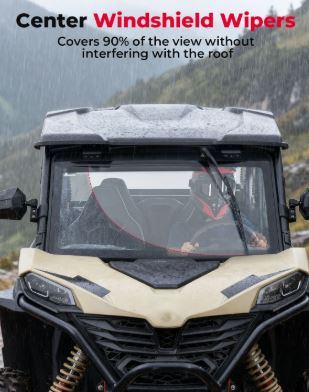
A windshield provides a level of protection against these changes. It can block cold air, reduce the impact of rain, and create a more controlled environment inside the vehicle. This is particularly useful for riders who spend long hours outdoors and cannot easily stop or seek shelter.
In colder conditions, the benefit becomes even more noticeable. Blocking wind helps retain warmth, making the ride more comfortable without requiring heavy additional gear.
Enhancing Comfort for Everyday Use
Comfort is often what determines how frequently a UTV is used. If every ride feels tiring or uncomfortable, it becomes less appealing over time.
A windshield improves overall comfort by reducing wind fatigue and minimizing exposure to the elements. This allows drivers to focus more on the task or the journey rather than the discomfort caused by their surroundings.
For work-related use, this can make daily operations smoother. For recreational riders, it means being able to enjoy longer trips without feeling worn out.
Improving Visibility and Driving Confidence
Clear visibility is essential for safe driving, especially in off-road conditions where obstacles can appear suddenly. Dust, wind, and debris can all interfere with a driver’s line of sight.
A windshield helps maintain a clearer view by blocking many of these elements. Some designs also reduce glare or help manage airflow in a way that keeps dust from swirling back into the cabin.
This added clarity allows drivers to react more quickly and confidently, which is especially important on uneven or unfamiliar terrain.
Custom Fit and Functional Design
Not all UTVs are the same, which is why windshields are often designed to fit specific models. A good fit ensures better coverage, stability, and effectiveness.
For example, riders looking into options like a UForce 1000 windshield often prioritize compatibility with their vehicle’s structure. A well-fitted windshield reduces gaps where wind or debris could enter and ensures that the installation remains secure even during rough rides.
Functionality also plays a role. Some windshields are designed to be adjustable or partially open, allowing riders to control airflow based on current conditions. This flexibility makes it easier to adapt to different environments without removing the windshield entirely.
Balancing Protection and Outdoor Experience
One concern some riders have is that adding a windshield might take away from the open-air feel of a UTV. While it does create a barrier, it doesn’t eliminate the outdoor experience.
Instead, it strikes a balance. Riders still get to enjoy the sights, sounds, and overall atmosphere of being outdoors, but without the constant discomfort caused by wind and debris.
This balance is one of the reasons why windshields have become such a common addition. They enhance the experience without fundamentally changing it.
Long-Term Benefits and Vehicle Care
Beyond immediate comfort and safety, windshields also offer long-term advantages. By reducing the amount of debris entering the cabin, they help keep the interior cleaner and reduce wear on certain components.
Less exposure to dust and moisture can also contribute to better maintenance over time. This means fewer cleanups and potentially lower repair needs.
Final Thoughts
A UTV is built to handle tough conditions, but the rider’s experience depends on how well those conditions are managed. Wind, dust, and weather can all affect comfort, safety, and performance.
Adding a windshield is one of the most effective ways to address these challenges. Whether considering a Kemimoto UTV windshield or looking into options like a UForce 1000 windshield, the goal remains the same: to create a safer, more comfortable, and more enjoyable ride.
In the end, it’s not just about protection. It’s about making every ride smoother, more controlled, and better suited to the demands of the environment.