
How Proper Home Insulation Can Save Energy and Improve Comfort
Key Takeaways
- Properly insulating your home can reduce energy bills and create a more comfortable living environment.
- Insulation plays a crucial role in controlling indoor temperature, reducing noise, and improving air quality.
- Choosing the right material and ensuring professional installation are key to maximizing the benefits of insulation.
Table of Contents
- Understanding the Role of Insulation
- Energy Savings Through Effective Insulation
- Enhancing Indoor Comfort
- Environmental Benefits
- Health Advantages
- Key Areas to Insulate
- Choosing the Right Insulation Material
- Professional Installation vs. DIY
- Conclusion
Ensuring your home is well-insulated is a practical and cost-effective way to increase comfort, lower energy expenses, and even raise property value. By installing effective insulation, you create a barrier that significantly slows the exchange of heat between the inside of your home and the outdoors. This is especially valuable for homeowners looking to minimize seasonal energy use and maintain consistent, pleasant indoor conditions. For residents in areas with unique climates, like South Florida, choosing North Palm Beach insulation services can make all the difference in home comfort and efficiency.
Insulation is essential whether building a new home or upgrading an existing one. Not only can it help you maintain desirable temperatures, but it also plays a crucial part in reducing your household’s overall carbon footprint. The benefits go far beyond savings, as proper insulation helps you enjoy a quieter, healthier, and more environmentally friendly home year-round.
A wide range of insulation materials and application techniques are available, allowing solutions to be tailored for every climate, budget, and building type. As energy costs rise and sustainability becomes increasingly important, it makes sense to invest in proven approaches that conserve energy without sacrificing comfort.
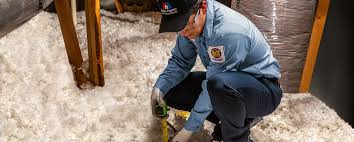
Energy experts frequently cite the attic as one of the most effective places to add insulation, helping prevent significant heat loss and improving overall energy efficiency. If you are exploring options for attic insulation, working with a local professional can deliver marked improvements in both comfort and long-term savings.
Understanding the Role of Insulation
Home insulation is engineered to reduce the natural flow of heat into and out of a property. During colder months, insulation traps warmth inside, stopping it from escaping to the outdoors. In hotter months, it keeps unwanted heat from infiltrating living areas. The R-value, which measures thermal resistance, is a vital factor when selecting insulation, as higher R-values provide greater performance. Understanding the R-value required for your particular region or climate zone is key to maximizing the effectiveness of your investment.
Energy Savings Through Effective Insulation
Proper insulation can lead to substantial reductions in heating and cooling costs. Data from the U.S. Department of Energy indicates that homeowners can save up to 15 percent on their energy bills by ensuring their homes are well-insulated. The reduction stems from your HVAC system working less to maintain comfortable temperatures, thereby using less energy and experiencing less wear over time. In many cases, upgrading insulation pays for itself within a few years through reduced utility costs, making it a wise long-term investment. For more information on energy savings through insulation, you can visit the U.S. Department of Energy Insulation Guide.
Enhancing Indoor Comfort
Beyond energy savings, insulation is fundamental to enhancing the comfort of your living environment. Properly installed insulation prevents winter cold drafts and blocks excessive summer heat, providing more stable temperatures throughout your home. It also contributes to a more peaceful indoor setting by dampening outside noises. For families in busy neighborhoods or near noisy traffic, quality insulation can make a noticeable difference in the serenity and privacy of your living space.
Environmental Benefits
Reducing energy use at home yields significant environmental benefits. Lower energy consumption means fewer greenhouse gas emissions, which supports cleaner air and helps combat climate change. By choosing energy-efficient insulation, homeowners take a proactive step toward sustainable living and directly contribute to a healthier planet. Additional tips on eco-friendly home improvements can be found at NRDC’s climate action resources.
Health Advantages
Insulation does more than regulate temperature; it also helps create a healthier home. By maintaining steady indoor temperatures and minimizing moisture infiltration, insulation helps limit mold and mildew growth, both of which can cause severe respiratory problems. A well-insulated home also supports better indoor air quality, reducing allergens and other airborne irritants for a healthier family environment.
Key Areas to Insulate
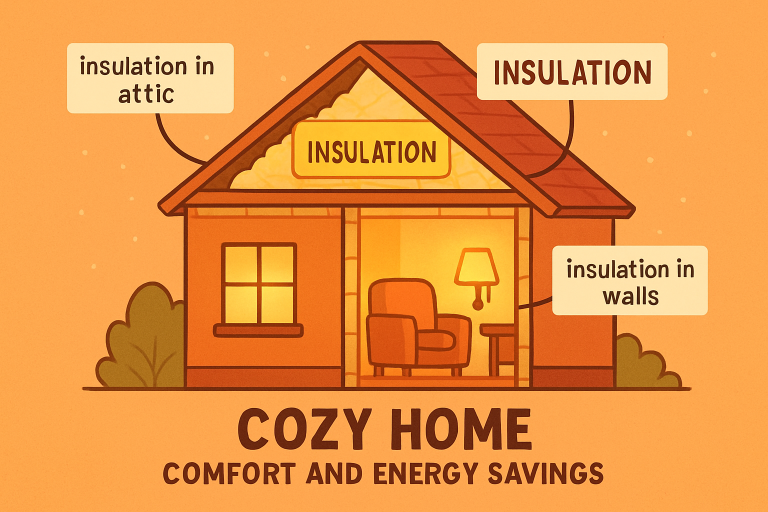
Attic
Because heat naturally rises, the attic offers the most significant potential for energy loss. Proper attic insulation is one of the most cost-effective ways to improve efficiency and comfort.
Walls
Exterior walls account for a large portion of a home’s surface area and serve as significant points of heat transfer. Well-insulated walls play a pivotal role in year-round comfort.
Floors
Floors above unconditioned spaces, such as garages or crawl spaces, can also be pathways for heat loss, so insulating these areas is recommended.
Basements and Crawl Spaces
These parts of the home often let in cold air, cooling the floors above and increasing heating costs. Proper insulation in basements and crawl spaces helps retain warmth and prevent moisture problems.
Choosing the Right Insulation Material
A variety of materials are available to fit different requirements and preferences. Fiberglass is widely used for its affordability and versatile applications. Cellulose, made from recycled paper products, offers favorable thermal resistance while being environmentally friendly. Spray foam not only boasts a high R-value but also serves as an effective air barrier, sealing gaps and enhancing energy performance. The best choice for your property will depend on local climate, budget, and the area being insulated.
Professional Installation vs. DIY
Although some homeowners may attempt DIY insulation projects, hiring a professional brings peace of mind and ensures the best results. Experienced installers can recommend the most suitable materials, avoid common pitfalls, and deliver insulation that meets or exceeds industry standards. This expertise is especially valuable when insulating challenging or older properties where mistakes can lead to wiring hazards, moisture issues, or performance gaps.
Conclusion
Investing in proper insulation is one of the best decisions homeowners can make for long-term energy efficiency, comfort, and health. Understanding how to choose and install the right materials in key home areas unlocks savings, improves quality of life, and supports global sustainability goals. If you are planning an upgrade or building a new home, evaluating your insulation options is an essential first step toward a more comfortable, eco-friendly future.


