How Modern Home Features Are Shaping Suburban Lifestyles
Key Takeaways
- Smart home technology now shapes daily living, emphasizing automation and sustainability.
- Contemporary architectural styles blend tradition and innovation to meet modern needs.
- Outdoor living and functional landscaping are becoming must-haves in suburban settings.
- Energy efficiency and eco-friendly features are now driving property values and demand.
Table of Contents
- Smart Home Integration
- Architectural Trends
- Outdoor Living Spaces
- Energy Efficiency
- Home Office Spaces
- Community Amenities
- Conclusion
Suburban living is being rapidly redefined as homeowners embrace innovative features that promise not only greater comfort but also increased functionality and environmental responsibility. New builds and renovations alike are transforming suburbs into vibrant, tech-savvy communities, influencing everything from the way families work and relax to their relationships with neighbors. Amid this transformation, homebuyers are seeking neighborhoods that offer these upgrades, making areas like Lincoln Park homes for sale prime examples of evolving preferences in the greater Chicago area. As suburban landscapes adapt, the rising tide of amenities and advancements reframe what it means to live outside the city’s core.
Today’s suburban households demand more from their homes—efficiency, adaptability, and an integration of both digital and natural living. Design and technology merge to offer smart systems, energy-saving solutions, and seamless indoor-outdoor living. At the same time, communities are embracing amenities that enrich residents’ lives, from dog parks to communal gardens, fostering deeper bonds and a greater sense of belonging. These changes are creating a new era of suburban lifestyle—one equally rooted in convenience and connection.
Smart Home Integration
Modern suburbs are at the forefront of tech adoption, and smart home technology is now a core expectation. Programmable devices such as thermostats, smart lighting, and automated security are no longer considered luxury upgrades—they’re essential features in new and remodeled homes. These innovations grant unprecedented control over utilities and safety, learning residents’ habits to deliver efficiency with minimal fuss. By automating daily routines, suburbanites enjoy convenience at their fingertips, a trend that increases both satisfaction and property value. According to Investopedia, smart homes use connected devices and automation systems to enhance comfort, security, and energy efficiency.
Integration goes beyond just gadgets; it’s about connectivity and adaptability. App-based management systems allow homeowners to control everything from temperature to lighting remotely, enabling them to reduce energy use and cut costs without sacrificing comfort. As smart tech continues to advance, suburbs that prioritize these features attract forward-thinking buyers and renters, setting new benchmarks in residential living.
Architectural Trends
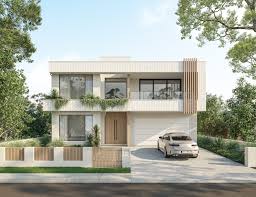
The “modern farmhouse” aesthetic has become synonymous with today’s suburban landscape, but it’s just the beginning of an architectural renaissance. Crisp white exteriors, natural wood accents, and striking black details offer homeowners the best of both classic style and contemporary flair. These homes, popularized by media and embraced by builders and retailers, reflect a growing preference for clean lines, open spaces, and personalized touches. Rather than cookie-cutter subdivisions, suburbs are seeing an influx of unique designs tailored to family lifestyles.
Homeowners and designers are moving beyond traditional layouts and maximizing flexibility. Open floor plans encourage gatherings, abundant natural light enhances well-being, and outdoor views are seamlessly integrated. With this shift, it’s clear that today’s home design choices aren’t just about aesthetics—they’re about creating adaptable, lasting spaces where technology and tradition work in harmony.

Outdoor Living Spaces
With remote work and flexible living, private outdoor spaces are now top priorities for suburban homeowners. Lawns and patios have transformed into multi-functional retreats—complete with open-air kitchens, cozy seating, and spaces for alfresco dining. These outdoor rooms blur the boundary between inside and out, offering families a place to entertain, relax, and enjoy nature throughout the seasons.
Gardening, too, is enjoying a renaissance. Raised beds, greenhouses, and even vertical gardens encourage sustainable, hands-on living. Community gardens have become neighborhood hubs where residents share fresh produce, fostering sustainability and camaraderie. These shared amenities not only enhance the environment but also create deeper roots within the community, supporting the growing demand for a balanced, health-centered lifestyle.
Energy Efficiency
Homes that prioritize energy-efficient features remain in high demand and often command higher prices. Smart thermostats, LED lighting, and solar panels, combined with real-time energy monitoring, enable homeowners to reduce utility bills and their environmental footprint drastically. These conveniences aren’t just beneficial for the planet; they drive ROI by improving marketability and future-proofing investments. According to a U.S. Department of Energy report, properties with these advancements typically sell quickly and at a premium.
Sustainability is the new marker of success in suburbia. Buyers see eco-friendly upgrades as essential—not just for their wallets but for their peace of mind and community standing. As a result, energy efficiency is now a top consideration for those seeking to move out of urban centers while maintaining a commitment to green living.
Home Office Spaces
The remote work surge has fundamentally changed what suburbanites expect from their homes. Dedicated office spaces are now a must-have, serving as both professional environments and family-friendly settings. Flexible floor plans enable households to carve out zones for work, study, exercise, and leisure without compromise. Fast, reliable internet access is now as critical as access to good schools or public services—often tipping the scales for buyers deciding on their next community.
The demand for these multifunctional spaces has also contributed to increased property values and decreased inventory in desirable suburbs. As professionals and families alike seek larger homes to meet evolving needs, adaptability becomes central. Suburbs that offer flexible designs and strong digital infrastructure are leading the way into a new era of suburban living.
Community Amenities
Modern suburban neighborhoods aren’t just about well-equipped homes—they also deliver experiences that build community spirit. Dog parks, walking trails, and communal green spaces foster social connections and shared routines, transforming neighborhoods into tightly-knit communities where both people and pets thrive. Amenities like these help turn neighbors into friends, encouraging a sense of belonging that is just as valuable as any smart device or stylish kitchen upgrade.
As these features become more widespread, they’re attracting households looking for both personal convenience and collective benefit. From promoting healthy activity to creating new social opportunities, community-driven amenities are setting new standards for suburban living and neighborhood identity.
Conclusion
Suburban life is being reshaped by the integration of modern features that prioritize efficiency, adaptability, and connection. As technology, sustainability, and design continue to evolve, the suburbs are destined to remain vibrant destinations for those seeking the perfect blend of comfort, innovation, and community. The future of suburban living promises homes that are as dynamic and diverse as the families who live in them.