Drone Battery Guide: Matching a DJI Battery to Your Model, Flight Time and Travel Plans
Flying a drone for fun gets expensive in small steps. First comes the aircraft, then the extra props, then the realisation that ten or twenty minutes in the air is never quite enough. Sooner or later most owners go looking for a spare drone battery, and many discover the hard way that the pack they bought does not fit, does not last, or cannot go on the plane.
This guide uses the DJI battery range as its worked example, since that is what most hobby pilots own. It explains why packs do not cross between series, how to read a capacity figure, what flight time claims really mean, and which rules apply when you travel with spares.
Why a drone battery rarely crosses between series
Battery seller Accessories-Mall sums up the rule on its DJI page: batteries are not interchangeable across series. Mini uses 2S (7.2-7.7V). Air uses 3S-4S (11.55-15.4V). That “S” counts cells wired in series, and it sets the voltage the aircraft expects, so a pack from another family would be wrong electrically even if it could somehow clip into place.
Within a family, there is some sharing. Air 2 and Air 2S share the same battery, for example. Do not extend that logic further than the listing does, because a similar name on the box proves nothing about the shape of the slot.
Where it stops: a pack that fits physically may still run older firmware. Update the aircraft and the battery through the maker’s app before assuming a new pack is faulty.
Reading capacity and estimated flight time
Capacity and flight time travel together in every listing, and the larger pack usually comes with trade-offs. Take the Mini line. The Mini 3/4 Pro Plus pack lists 7.38V, 3850mAh and 28.4Wh, with roughly 47-51 minutes of flight. Those are best-case figures for calm air and gentle flying, so plan on noticeably less in real use.
Weight is the catch. A bigger pack makes a very light aircraft heavier, and in some countries that can move it into a different registration category. Check the local rule before buying the plus-size option. Watt-hours remain the fairest measure for comparing packs, since they combine voltage and capacity into a single energy figure.
Where it stops: wind, cold air and fast flying all cut flight time sharply. A rated number helps you compare two packs and tells you little about your own Saturday at the beach.
Genuine, compatible, and the older aircraft problem
Newer drones are easy to shop for, while older ones take more care. Phantom series is discontinued, the seller notes, so packs for those aircraft now come only as replacement stock and quality can vary with age on the shelf. Ask when a pack was made if you own one of these, since lithium cells lose capacity even when sitting in a warehouse.
For a current aircraft, default to the maker’s own intelligent flight battery unless you have a clear reason not to, because the battery talks to the flight controller and a bad reading in the air has real consequences. Compatible packs make more sense for an older aircraft that no longer has official stock, as long as they state their cell grade and carry a warranty.
Where it stops: a warranty covers the pack, and rarely covers the drone if a third-party battery is blamed for a crash. Read that clause before you fly over water.
Charging habits that matter for FPV and racing pilots
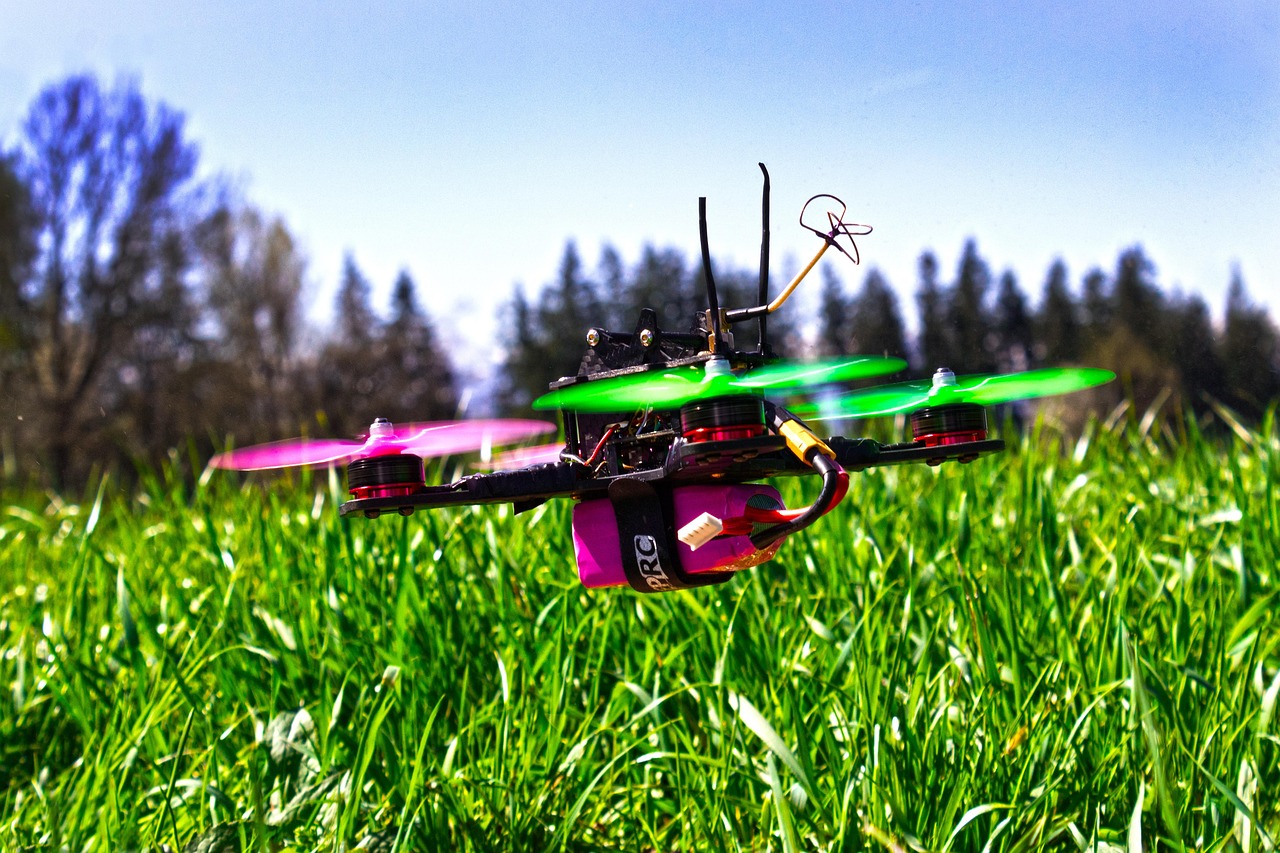
First-person flying is hard on cells. DJI FPV packs are 22.2V 6S and are built for high discharge, which is why the seller warns: never use generic chargers with FPV batteries. A charger built for another chemistry or cell count can overcharge a pack with nothing to warn you until it swells or fails.
Let a pack cool after landing before you charge it, and let a cold pack warm up before takeoff. Both take only a few minutes. Most intelligent batteries also discharge themselves to a storage level after several days, and that feature is worth leaving on. Spares kept full for weeks age faster than spares kept around half charge.
Where it stops: self-discharge settings differ by model and do not act instantly, so a pack charged the night before a cancelled trip still needs attention.
Flying with spare drone batteries
Airline rules are simpler than most forum threads suggest. The FAA’s PackSafe guidance says lithium ion batteries are limited to a rating of 100 watt hours per battery in passenger baggage, that those exceeding 101-160 Wh require air carrier approval, and that batteries over 160 Wh are forbidden. It also caps those larger packs at two spares per person.
TSA adds the practical part: spare lithium batteries must go in carry-on baggage only. So keep every spare drone battery in the cabin, protect the terminals with the factory cover or a strip of tape, and carry a small fire-resistant pouch if you own one. Do not check spares with your suitcase.
Most consumer packs clear the limit easily. All DJI consumer batteries are under 100Wh, says the Accessories-Mall page, citing the Mavic 3 at 77Wh and the Phantom 4 at 89.2Wh. Print or photograph the rating on each pack so that a security officer can see it quickly.
Where it stops: federal rules are a baseline. Airlines and other countries can set stricter limits, so check your carrier’s page before you pack, particularly on connecting flights abroad.
When a pack is finished
Drones are less forgiving than phones. A phone that dies at twenty percent is annoying, while an aircraft that drops voltage at height may be lost. Retire a pack if it swells, if it shows cell voltage differences in the app that do not settle, if the case is cracked, or if flight time falls well below what it delivered when new.
Do not throw a retired pack in the household bin. Discharge it through normal use as far as the aircraft allows, tape the contacts, and take it to a battery collection point. Many hobby shops and hardware stores accept them.
You may also like: UGREEN iPhone Charger: Fast Charging Solutions for Your Device
Buying a spare is easy once you know the series, the rated capacity and the rules for your trip. Start with the exact model printed on your existing pack, then compare listings by watt-hours and written warranty terms. A catalogue organised by series, such as the one at Accessories-Mall, makes it quick to confirm a match before you order for your next flight.